Genetically modified rice adoption
Genetically modified rice adoption
Rate this book:
About This Book
"The first generation of genetically modified (GM) crop varieties sought to increase producer profitability through cost reductions or higher yields, while the next generation of GM food research is focusing on breeding for attributes of interest to consumers. "Golden rice" has been genetically engineered to contain a higher level of vitamin A and thereby boost the health of poor people in developing countries. Anderson, Jackson, and Nielsen analyze the potential economic effects of adopting both types of innovation in Asia, including its impact on rice producers and other consumers. They do so using the global economywide computable general equilibrium model known as GTAP. The results suggest that farm productivity gains could be dwarfed by the welfare gains resulting from the potential health-enhancing attributes of golden rice which would boost the productivity of unskilled workers among Asia's poor. This paper--a product of the Trade Team, Development Research Group--is part of a larger effort in the group to understand the global economic effects of agricultural biotechnology policies"--World Bank web site.
Buy This Book
As an Amazon Associate and Bookshop.org affiliate, BookOrb earns from qualifying purchases.
Write a Review
Sign in to write a review.
More by Kym Anderson

Agricultural development and trade of Pacific Rim countries
Agricultural policies, land us
Agricultural policies, land use and the environment
Agricultural trade reform and
Agricultural trade reform and poverty reduction in developing countries
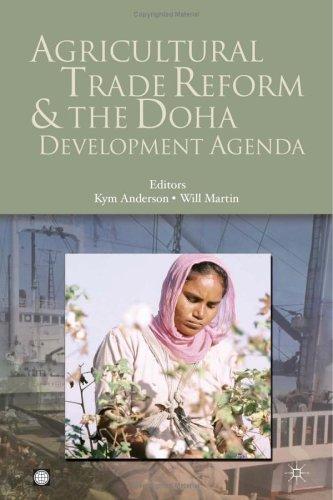
Agricultural trade reform and the Doha development agenda

Agricultural Trade, Policy Reforms, and Global Food Security
Agriculture and rural developm
Agriculture and rural development in Indonesia into the 21st century