Agricultural trade reform and poverty reduction in developin
Agricultural trade reform and poverty reduction in developing countries
Rate this book:
About This Book
"Anderson offers an economic assessment of the opportunities and challenges provided by the World Trade Organization's Doha Development Agenda, particularly through agricultural trade liberalization, for low-income countries seeking to trade their way out of poverty. After discussing links between poverty, economic growth, and trade, he reports modelling results showing that farm product markets remain the most costly of all goods market distortions in world trade. The author focuses on what such reform might mean for developing countries both with and without their involvement in the multilateral trade negotiations. What becomes clear is that if those countries want to maximize their benefits from the Doha round, they need also to free up their own domestic product and factor markets so their farmers are better able to take advantage of new market opportunities abroad. The author also addresses other concerns of low-income countries about farm trade reform: whether there would be losses associated with tariff preference erosion, whether food-importing countries would suffer from higher food prices in international markets, whether China's WTO accession will provide an example of trade reform aggravating poverty by way of cuts in prices received by Chinese farmers, and the impact on food security and poverty alleviation. This paper a product of the Trade Team, Development Research Group is part of a larger effort in the group to understand the poverty implication of trade policy reforms"--World Bank web site.
Buy This Book
As an Amazon Associate and Bookshop.org affiliate, BookOrb earns from qualifying purchases.
Write a Review
Sign in to write a review.
More by Kym Anderson

Agricultural development and trade of Pacific Rim countries
Agricultural policies, land us
Agricultural policies, land use and the environment
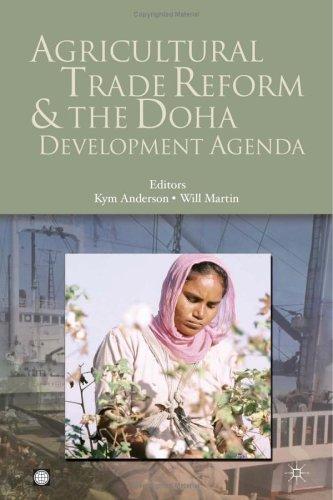
Agricultural trade reform and the Doha development agenda

Agricultural Trade, Policy Reforms, and Global Food Security
Agriculture and rural developm
Agriculture and rural development in Indonesia into the 21st century
Agriculture, trade reform and
Agriculture, trade reform and poverty reduction