
The battle behind the wire
24 min read
Rate this book:
About This Book
Although prisoner of war and detainee operations ultimately tend to become quite extensive, military planners and policymakers have repeatedly treated such operations as an afterthought. In reality, such operations can be a central part of the successful prosecution of a conflict. Determining how to gain knowledge from, hold, question, influence, and release captured adversaries can be an important component of military strategy and doctrine, both during the conflict and in reconstruction afterward. This monograph finds parallels in U.S. prisoner and detainee operations in World War II, Korea, Vietnam, and Iraq: underestimation of the number to be held, hasty scrambling for resources to meet operational needs, and inadequate doctrine and policy. During the later phases of military operations, an attempt is often made to educate prisoners and detainees and influence their social and political values. The results of a survey by RAND researchers of Iraq detainees contravene many assumptions that had been guiding decisions related to detainee operations. The survey found that local and personal motives, along with nationalism, were more prevalent than religious ones and that detainees were often economic opportunists rather than illiterates seeking economic subsistence through the insurgency. Recommendations include that detailed doctrine should be in place prior to detention and that detainees should be surveyed when first detained.
Buy This Book
As an Amazon Associate and Bookshop.org affiliate, BookOrb earns from qualifying purchases.
Write a Review
Sign in to write a review.
More by Cheryl Benard
Afghanistan : state and societ
Afghanistan : state and society, great power politics, and the way ahead
Civil Democrat Islam داسلام په
Civil Democrat Islam داسلام په ضد د امریکا د دسیسو یوه وړه بیلګه ډموکرات (امریکایی) اسلام
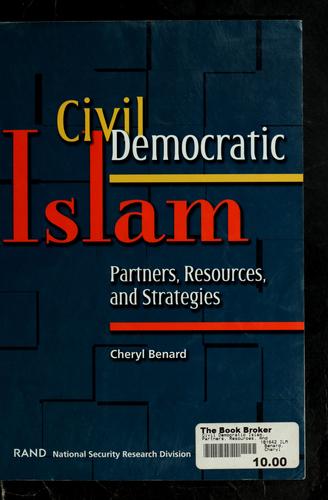
Civil democratic Islam

Der Mann auf der Strasse
Der Tod der Gazelle
Der Tod der Gazelle
Die geschlossene Gesellschaft
Die geschlossene Gesellschaft und ihre Rebellen