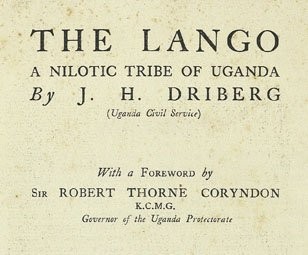
The Lango
A Nilotic Tribe of Uganda
1.9 hrs read
Rate this book:
About This Book
This 1923 study of the Lango people of north-central Uganda narrates the origins and history of the group, which had a form of government based on minor clan chiefs, rather than a king or superior chief, before the arrival of the British rule. Jack Herbert Driberg (1888–1946) was a British official in the service of the Uganda Protectorate in 1912–21 and lived and worked among the Lango, for whom he had both sympathy and admiration. He describes the ethnology of the Lango nation; their environment, including the fauna and climate; and the geographical features of Lango territory. The latter include the Moroto River, home to various sorts of pigmy crocodiles of up to three feet in length. Driberg also traces Lango physical and psychological characteristics. He provides a detailed record of village life and its weapons and implements, manufactured goods, livestock, agriculture, food, war, hunting, musical instruments, dances, and games. A chapter on social organization looks at birth traditions, the names given to new babies, marriage and burial ceremonies, political organization and inheritance. Lango religion, magic, and witchcraft are also discussed. The study also contains Driberg’s analysis of the Lango people’s Luo language and his Lango–English dictionary. The book concludes with a series of Lango fables.
Buy This Book
As an Amazon Associate and Bookshop.org affiliate, BookOrb earns from qualifying purchases.
Write a Review
Sign in to write a review.