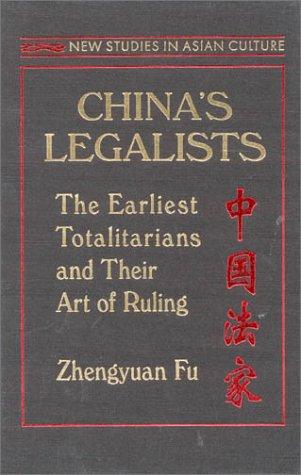
Autocratic tradition and Chinese politics
1.6 hrs read
Rate this book:
About This Book
This book examines the Chinese political tradition over the past two thousand years and argues that the enduring and most important feature of this tradition is autocracy. The author interprets the Communist takeover of 1949 not as a revolution but as a continuation of the imperial autocratic tradition.
The book shows how Mao Zedong revitalized this tradition along five lines: the use of ideology for political control; concentration of power in the hands of a few; state power over all aspects of life; law as a tool wielded by the ruler, who is himself above the law; and the subjection of the individual to the state. Using a statist approach, the book argues that in China political action of the state has been the single most important factor in determining socio-economic change
The book shows how Mao Zedong revitalized this tradition along five lines: the use of ideology for political control; concentration of power in the hands of a few; state power over all aspects of life; law as a tool wielded by the ruler, who is himself above the law; and the subjection of the individual to the state. Using a statist approach, the book argues that in China political action of the state has been the single most important factor in determining socio-economic change
Buy This Book
As an Amazon Associate and Bookshop.org affiliate, BookOrb earns from qualifying purchases.
Write a Review
Sign in to write a review.