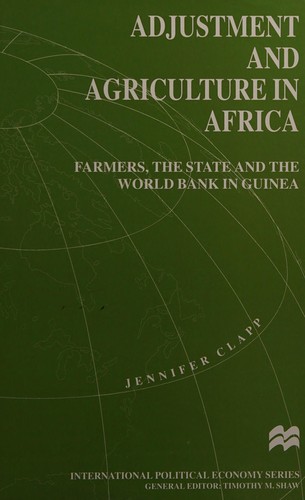
Adjustment and Agriculture in Africa
54 min read
Rate this book:
About This Book
With the adoption of a World Bank-sponsored structural adjustment programme in the mid-1980s, Guinea underwent a dramatic change in its economic and agricultural policies. The country's experience since then illustrates some of the most pressing problems encountered by African countries pursuing economic reform.
The difficulties illustrated by the Guinean case include those of poor donor coordination, difficult international economic conditions, political challenges to the state, weak state capacity, as well as physical, socioeconomic and other exogenous constraints which hindered a positive response from the rural farmers and traders.
In analyzing these difficulties with particular reference to the agricultural sector, this book explains why the initial economic reform programme in Guinea was not as successful as hoped and examines how it was altered by the World Bank to address these constraints. It also analyzes the prospects for success of the 'new' approach to adjustment promoted by the World Bank in Guinea and elsewhere in Africa in the 1990s.
The difficulties illustrated by the Guinean case include those of poor donor coordination, difficult international economic conditions, political challenges to the state, weak state capacity, as well as physical, socioeconomic and other exogenous constraints which hindered a positive response from the rural farmers and traders.
In analyzing these difficulties with particular reference to the agricultural sector, this book explains why the initial economic reform programme in Guinea was not as successful as hoped and examines how it was altered by the World Bank to address these constraints. It also analyzes the prospects for success of the 'new' approach to adjustment promoted by the World Bank in Guinea and elsewhere in Africa in the 1990s.
Buy This Book
As an Amazon Associate and Bookshop.org affiliate, BookOrb earns from qualifying purchases.
Write a Review
Sign in to write a review.