Similar books
Books Like Does The Richness Of The Few Benefit Us All
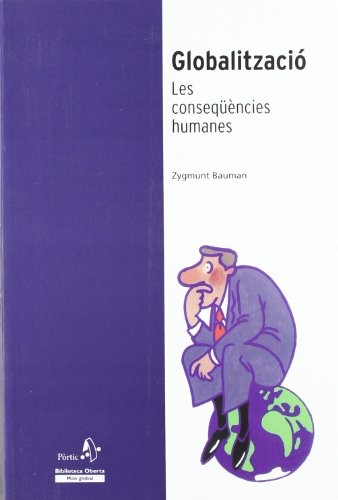
If you liked Does The Richness Of The Few Benefit Us All by Zygmunt Bauman, start with Thinking sociologically (1995), Moderne und Ambivalenz (1995), and GLOBALITZACIO (2001). These recommendations are drawn from the same author, shared genres, and reader overlap on BookOrb.
Back to Does The Richness Of The Few Benefit Us All · Zygmunt Bauman books in order
Recommended next reads



Frequently asked questions
What should I read after Does The Richness Of The Few Benefit Us All?
BookOrb recommends Thinking sociologically (1995), Moderne und Ambivalenz (1995), GLOBALITZACIO (2001), Społeczeństwo którym żyjemy (1962), and Modernite et holocauste (2002).
Are there books like Does The Richness Of The Few Benefit Us All?
Yes. The list on this page is ranked from the closest matches BookOrb has for Does The Richness Of The Few Benefit Us All.
Who wrote Does The Richness Of The Few Benefit Us All?
Does The Richness Of The Few Benefit Us All is by Zygmunt Bauman.