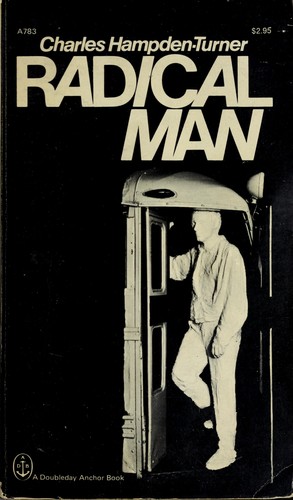
Radical man
the process of psycho-social development.
1.7 hrs read
Rate this book:
About This Book
Radical Man is one of the major foundational, theoretical books of Humanistic Psychology. It is basically a rewriting of his Dissertation, "Towards a Humanistic Psychology," the first ever theoretical dissertation in the Harvard MBA program. Not all of the original chapters are included (ie. about anxiety, therapy, and ethics) and some new ones are added. The book is built around a ten part cyclical theory and is thoroughly integrated (after the 2 introductory chapters). The theory is buttressed by more than 1,000 research findings. Findings from trait psychology, for example, are theoretially interelated, not used in isolation. Features include a dominant and humanistic paradigms of science and a basic theory of healthy and unhealthy personality (self [psychosocial] actualization). This is then applied to social institutions, corporations, politics, T Groups, and student Radicals. Perhaps the most dramatic application is the chapter on "Dissent and Rebellion in the Laboratory," a reinterpretation of studies by Milgram, Crutchfield, Ashe and others. The theory was also used and revised in later books, including Sane Assylum (appendix), Maps of the Mind, From Poverty to Dignity, and Gentlemen and Tradesmen, leading, for example, to a theory of human values. His later books on dilemmas (ie. Creating Corporate Culture; Charting the Corporate Mind) are clearly related to these books, and further apply concepts from them.
Buy This Book
As an Amazon Associate and Bookshop.org affiliate, BookOrb earns from qualifying purchases.
Write a Review
Sign in to write a review.