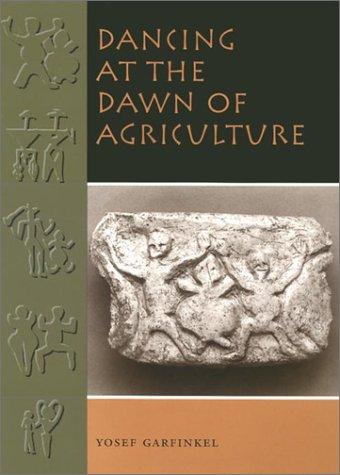
Dancing at the Dawn of Agriculture
1.4 hrs read
Rate this book:
About This Book
"As the nomadic hunters and gatherers of the ancient Near East turned to agriculture for their livelihood and settled into villages, religious ceremonies involving dancing became their primary means for bonding individuals into communities and households into villages. So important was dance that scenes of dancing are among the oldest and most persistent themes in Near Eastern prehistoric art, and these depictions of dance accompanied the spread of agriculture into surrounding regions of Europe and Africa. In this pathfinding book, Yosef Garfinkel analyzes depictions of dancing found on archaeological objects from the Near East, southeastern Europe, and Egypt to offer the first comprehensive look at the role of dance in these Neolithic (7000-4000 BC) societies. In the first part of the book, Garfinkel examines the structure of dance, its functional roles in the community (with comparisons to dance in modern pre-state societies), and its cognitive, or symbolic, aspects. This analysis leads him to assert that scenes of dancing depict real community rituals linked to the agricultural cycle and that dance was essential for maintaining these calendrical rituals and passing them on to succeeding generations. In the concluding section of the book, Garfinkel presents and discusses the extensive archaeological data--some 400 depictions of dance--on which his study is based"--Publisher description.
Buy This Book
As an Amazon Associate and Bookshop.org affiliate, BookOrb earns from qualifying purchases.
Write a Review
Sign in to write a review.
More by Yosef Garfinkel
From Shaʹar Hagolan to Shaarai
From Shaʹar Hagolan to Shaaraim
Gesher, a pre-pottery Neolithi
Gesher, a pre-pottery Neolithic A site in the central Jordan valley
ha-Tarbut ha-ḥomrit shel ʻEmeḳ
ha-Tarbut ha-ḥomrit shel ʻEmeḳ ha-Yarden ha-tikhon ba-teḳufot ha-geʾolitit ha-ḳeramit ṿeha-kalḳolitit ha-ḳedumah
ha-Tarbut ha-ḥomrit shel ʻEmeḳ
ha-Tarbut ha-ḥomrit shel ʻEmeḳ ha-Yarden ha-Tikhon ba-teḳufot ha-Neʼolitit, ha-Ḳeramit ṿeha-Kalḳolitit ha-ḳedumah
ha-Yarmukim
ha-Yarmukim
Human and animal figurines of
Human and animal figurines of Munhata