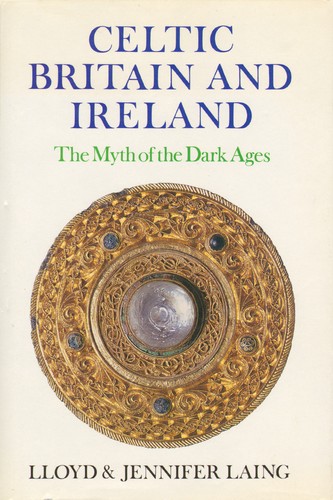
Celtic Britain and Ireland, AD 200-800
1 hr read
Rate this book:
About This Book
The term "Dark Ages" was coined to describe a period which was seen as a period of anarchy and violence, following the collapse of civilization. Recent discoveries by archaeologists and historians have, however, radically altered this traditional view of the Dark Ages, and the period is now seen as one of innovation and dynamic social evolution. This book reconsiders a number of traditionally accepted views. It argues, for example, that the debt of the Dark Age Celts to Rome was enormous, even in areas such as Ireland that were never occupied by Roman invaders. It also discusses the traditional chronology, suggesting that the date of AD 400 usually taken as the start of the Early Christian period in Britain and Ireland now has comparatively little meaning. Once this conventional framework is removed, it is possible to show how the Celtic world of the Dark Ages took shape under Roman influence in the centuries between about 200 to 800, and looked to Rome even for the immediate inspiration for its art. Such questions as the extent of British (that is, Celtic) survival in pagan Saxon England, and the Celtic and Roman contribution to early England are considered. - Jacket flap.
Buy This Book
As an Amazon Associate and Bookshop.org affiliate, BookOrb earns from qualifying purchases.
Write a Review
Sign in to write a review.
More by Lloyd Laing

Archaeology of Late Celtic Britain and Ireland, c.400-1200 A.D. (University Paperbacks)
Catalogue of Celtic Ornamental
Catalogue of Celtic Ornamental Metalwork in the British Isles C.A.D.400-1200 (British Archaeological Reports (BAR) British S.)

European Influence On Celtic Art Patrons And Artists

Later Celtic Art in Britain and Ireland (Shire Archaeology)

The Archaeology of Celtic Britain and Ireland

The Mote of Mark