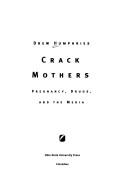
Crack mothers
48 min read
Rate this book:
About This Book
In Crack Mothers, Drew Humphries asserts that medicine and criminal justice have always been at odds on the subject of drug use. One treats drug users as patients, the other as criminals. However, beginning in the late 1980s, the "crack mother" scare led to an unprecedented alliance between doctors and prosecutors in same states, where doctors turned addicted pregnant women over to the police for arrest, trial, and incarceration.
Humphries analyzes the public reaction to crack cocaine and the policies instituted to combat it. She shows us that more often than not, policies were generated by the fears that crack mothers were harbingers of even more serious social problems. The media's construction of the crack mother as a model of depravity is, she argues, a reflection of mainstream desires and fears, not a reflection of the truth.
Humphries offers a more balanced view of the women who use crack and the policies that have been adopted to stop them.
In Crack Mothers, Drew Humphries asserts that medicine and criminal justice have always been at odds on the subject of drug use. One treats drug users as patients, the other as criminals. However, beginning in the late 1980s, the "crack mother" scare led to an unprecedented alliance between doctors and prosecutors in same states, where doctors turned addicted pregnant women over to the police for arrest, trial, and incarceration. Humphries analyzes the public reaction to crack cocaine and the policies instituted to combat it. She shows us that more often than not, policies were generated by the fears that crack mothers were harbingers of even more serious social problems. The media's construction of the crack mother as a model of depravity is, she argues, a reflection of mainstream desires and fears, not a reflection of the truth. Humphries offers a more balanced view of the women who use crack and the policies that have been adopted to stop them.
Humphries analyzes the public reaction to crack cocaine and the policies instituted to combat it. She shows us that more often than not, policies were generated by the fears that crack mothers were harbingers of even more serious social problems. The media's construction of the crack mother as a model of depravity is, she argues, a reflection of mainstream desires and fears, not a reflection of the truth.
Humphries offers a more balanced view of the women who use crack and the policies that have been adopted to stop them.
In Crack Mothers, Drew Humphries asserts that medicine and criminal justice have always been at odds on the subject of drug use. One treats drug users as patients, the other as criminals. However, beginning in the late 1980s, the "crack mother" scare led to an unprecedented alliance between doctors and prosecutors in same states, where doctors turned addicted pregnant women over to the police for arrest, trial, and incarceration. Humphries analyzes the public reaction to crack cocaine and the policies instituted to combat it. She shows us that more often than not, policies were generated by the fears that crack mothers were harbingers of even more serious social problems. The media's construction of the crack mother as a model of depravity is, she argues, a reflection of mainstream desires and fears, not a reflection of the truth. Humphries offers a more balanced view of the women who use crack and the policies that have been adopted to stop them.
Buy This Book
As an Amazon Associate and Bookshop.org affiliate, BookOrb earns from qualifying purchases.
Write a Review
Sign in to write a review.