There are 21 books by Arjun Makhijani on BookOrb. A strong starting point is Mending the ozone hole (1995). The bibliography below is in publication order, with series grouped in reading order.
Standalone books





Showing 14 of 21 titles.
Frequently asked questions
How many books has Arjun Makhijani written?
BookOrb lists 21 books by Arjun Makhijani.
Where should I start with Arjun Makhijani?
A good starting point is Mending the ozone hole (1995).
What is the Arjun Makhijani books in order list?
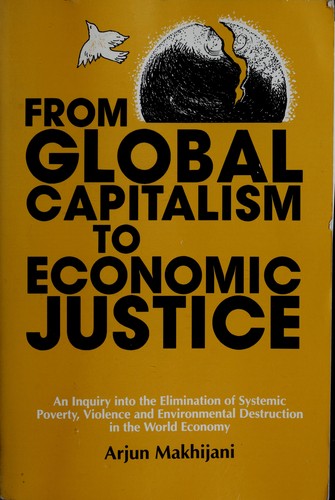
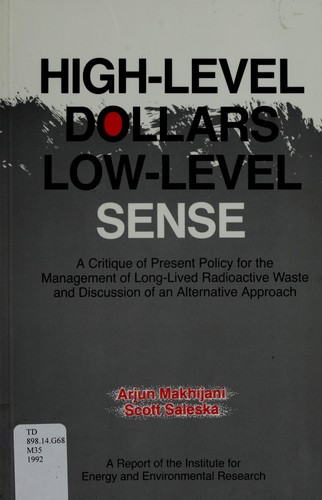
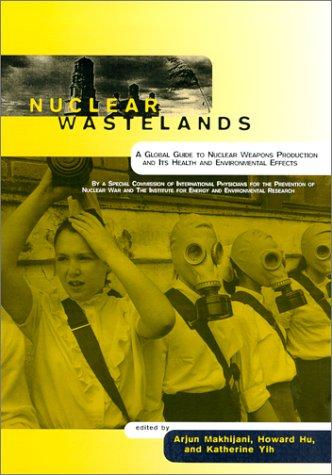
In publication order: 1. Energy and agriculture in the third world (1975), 2. From global capitalism to economic justice (1992), 3. High-level dollars, low-level sense (1992), 4. The Ozone Layer (1993), 5. Mending the ozone hole (1995), 6. Nuclear Wastelands (1995), 7. Fissile materials in a glass, darkly (1995), 8. The nuclear power deception (1999), 9. Rule of power or rule of law? (2003), 10. Manifesto for global democracy (2003), 11. Iran, North Korea and the Emerging Nuclear Proliferation Crisis (2007), 12. Target Japan: Why American's Nuclear Bombs Fell On Japan Instead Of Germany (2007), 13. Target Japan (2008), 14. Prosperous, Renewable Maryland : Roadmap for a Healthy, Economical, and Equitable Energy Future (2016).